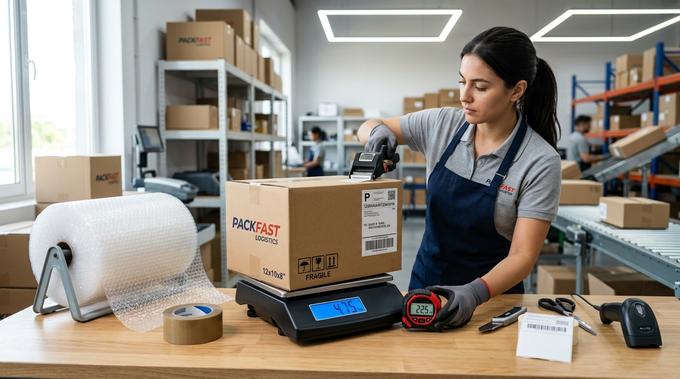
Whether shipping delicate electronic components, glass items, precision machinery, or handcrafted merchandise, proper packaging is the single most important factor in guaranteeing zero-damage delivery. Learn industry-standard packaging techniques recommended by CTC Cargo logistics experts.
The Physics of Parcel Transit: Why Packaging Matters
During domestic or international transit, a consignment experiences multiple physical stresses: vibrational shock in line-haul trucks, conveyor sorting drops, atmospheric pressure variations in air freight, and stacking compression in distribution warehouses. High-quality multi-layer packaging acts as a protective shield, absorbing shocks and preventing structural distortion.
Top 5 Packaging Guidelines for 100% Safe Transit
1. Choose the Right Corrugated Box Grade
Never reuse worn-out, crushed, or single-wall boxes for heavy or fragile items. Always opt for double-wall (5-ply) or triple-wall (7-ply) corrugated boxes with a high bursting strength (ECT rating). Ensure there is at least a 2-inch cushion perimeter between the product and box walls.
2. The Box-in-Box (Double Boxing) Method
3. Cushioning Materials: Bubble Wrap & Foam Inserts
- High-Density Air Bubble Film: Wrap delicate surfaces in at least 3-4 layers of 10mm bubble wrap, taping all edges securely.
- Expanded Polyethylene (EPE) Foam: Ideal for protecting sharp corners, glass panels, and sensitive edges.
- Biodegradable Packing Peanuts: Fill all voids completely to ensure zero internal movement during transit.
4. The H-Taping Sealing Method
Standard single-strip taping along the center seam is inadequate. Utilize the proven H-Taping technique with heavy-duty, 2-inch wide pressure-sensitive polypropylene or reinforced water-activated gummed tape. Seal the center seam and both perpendicular edge seams on both the top and bottom of the carton.
5. Clear Labeling & Barcode Placement
Affix the CTC Cargo AWB shipping label flat on the largest surface of the package. Avoid placing labels across box seams or over tape lines. Ensure the barcode and QR code are crisp, unsmudged, and fully scannable.
Volumetric Weight vs Actual Weight: How to Save Freight Cost
Couriers calculate shipping charges based on the higher of Actual Dead Weight and Volumetric (Dimensional) Weight: (Length × Width × Height in cm) / 5000. By selecting a box that fits your product snugly without excessive dead space, you significantly reduce volumetric freight costs.
Frequently Asked Questions (FAQs)
Q1: What materials should I never use for courier packaging?
Avoid using newspaper, clothing, string, or masking tape as protective packing. They easily tear, compress, and fail under transit friction.
Q2: Can I get official packaging assistance from CTC Cargo?
Yes. CTC Cargo hubs provide certified packaging materials including custom corrugated boxes, bubble cushioning, and tamper-evident polybags.